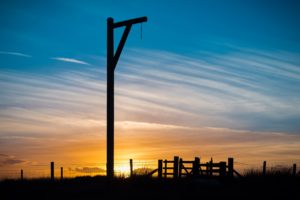
It can be expensive being a witch, especially if you work with more historic forms of magic. Materia magica and tools like goat fat, spindles, and the bodies of hanged men just aren’t as readily available nowadays as they were for our forebears. There is no walking to the gibbet at the crossroads to
Foraging was so much better back in the day.
harvest goodness knows what from some hanged criminal for us, comparatively few people raise their own animals, and unless you’re the kind of person to hang out at your local sheep and wool festival, you probably also don’t have a spindle.
Or a cauldron.
Or a pitchfork.
And depending on where you live, your foraging options might be limited when it comes to traditional European witch herbs anyway.
So what’s a brokeass witch to do when a working or form of magic requires materia magica and tools that are prohibitively expensive?
Well, you could try out the following hacks.
1. Keep An Inventory
The first and easiest cost-saving activity that any witch can do is take an inventory of the magical supplies that are already in stock. As a group, we tend towards being pack-rats. We accumulate herbs, rocks, journals, random bones and raccoon dick bones as we practice, and it becomes all too easy to lose track of what we have. So if you’re looking to cut the cost of your craft, you need to reduce the risk of buying unneeded items, and that is where your inventory comes in.
Go through your stuff, make a list, keep the list somewhere easy to see, and refer to it when making your nefarious, magical plans.
2. Cost It Out
When you have a specific working in mind, take the time to research the cost of supplies. Shop around, fill shopping baskets on random sites and see what totals you get. Sometimes things will work out much cheaper than you initially expected and are actually affordable with a bit of budgeting work. Conversely, things may turn out to be a whole lot more expensive than you thought, so it’s good to cost things out to avoid any nasty surprises.
3. Figure Out Substitutions (And Make A Purist Cry)
In some cases, substituting some tools or ingredients can make things a little more doable financially. However, you need to be careful with any substitutions you make. After all, there’s a certain logic to magical workings, and some of that logic has pretty deep roots.
But while it’s clearly beyond the scope of this listicle subsection to teach how to ‘read’ and deconstruct magical workings in this way, I can give you a down and dirty hack to at least get you thinking about it.
Over the years, I’ve found that the easiest way to think about magic is in terms of story; and leveraging stories in order to change my own story, and the story of others. From an animist perspective, everything has backstory, and these backstories are what build the greater story-arc that you form when you create a spell. So the next time you look at a spell (or consider creating your own spell), try to think of it like a movie in a series of movies and deconstruct the various plots. Those bits where you find yourself thinking “Oooh wouldn’t it have been cool if (character name) did that instead of (character name)” are where you can possibly make some decent substitutions.
Just bear in mind that some spirits care a hell of a lot more about substitutions than others. I have done workings with some real sticklers, and workings with other spirits who are fine with you using whatever you have. So if it doubt, perform divination. Sometimes you can get some leeway from promising better when you’re doing better.
4. Make Your Own (Tools) if Possible
There can be a lot of magical and economic benefits to making your own tools. Because aside from the (usually) cheaper cost (again, cost this out first) of making your own tools, there is the added benefit of being able to birth your own tools into the world. You get to be there at the point of creation, and begin their stories. Yes, you get to be momma to some sketchy knives, spindles, staffs, and whatever the fuck else you need to produce in order to get on down with your magical selves.
Go have some magical tool kids! It’s like the only time you get to reproduce prolifically while poor without society looking down on you.
There’s also a certain niche value there too. I mean, no one else will have a table of art quite as shitty-looking as yours (or mine…speaking from experience here).
Table of “art”. Ha!
It’s artisanal, not shit.
5. Look For ‘Free’ Or Thrift
Finally, despite our lack of early modern witchy resources (oh, the irony), there’s still a lot to be said for foraging locally, especially if you can figure out some decent substitutions in your local plant life. Thrift stores can also be gold
This would be free if you stole it. But that’s not the kind of ‘free’ I mean here. Stealing is bad, m’kay!
mines for witches in need of tools, and you can still observe planetary timing in your purchases! Knives, candle holders, offering dishes, and fireproof bowls are not all that hard to find in a lot of thrift stores.
Of course, the only downside here is that you’ll probably never know the backstory on those tools, but can you ever really say that about any tools bought from local occult stores? So what if that knife you picked up was used by a little old lady called “Evelyn” to eviscerate her Canasta nemesis? Free spirits, bonus.
Final Words
Witchcraft has changed a lot since the days of our early modern counterparts, and so has poverty. However, one thing that has not changed is that witchcraft was, and still remains, the tool of the poor and marginalized.
So regardless of what you end up missing, or the cool shit you don’t get to own, just know this: By being poor as crap, you’re continuing a true witchcraft tradition. Like I said, witchcraft has always been the tool of the downtrodden, and most of those were also poor as crap. Poverty just looked different then. But don’t forget, it’s your economic counterparts (give or take a few hundred years) that the folks who can afford all the swank stuff are trying to emulate.
I’ve seen a couple of blog posts go by my various feeds within the past week that seem to be getting a lot of shares. People like those easy 5-point lists that promise easy ways to get better at something, and they also like models that give them a sense of belonging. However, while I can appreciate that no one can learn their path from a list and that the concept of ‘flexible covens’ gives people a descriptor for the kind of informal magical alliances we often find ourselves in nowadays, I still found elements of these posts problematic.
The Old Days and Five-Point Lists
A few weeks ago, a Facebook friend shared a blog post she wrote about shielding (you can read it here), and we got into a conversation in the comments on meditation. You see, for years I’ve been under the impression that this is one topic that magic 101 books have neglected for a while now. And that’s not entirely surprising, because the most part, meditation is massively misunderstood in the West. Moreover, it seems to be one of those parts of spiritual/magical practice that people decide are too hard. Worse, a lot of people don’t even know why meditation is so important for spiritual/magical practice.
However, when you read older magic 101 books, or books written by people who are more old school, they’re pretty uncompromising on the need to develop a practice. And like I said, I’ve been under the impression for years now that a lot of the witch 101 books have become more…compromising. (Of course, the cynic in me just says that people write whatever books they feel will sell regardless of their utility for practice.) But it would seem, at least from the conversation with my friend and other participants in the thread, that I am not the only practitioner to have noticed this trend.
And this is where we come to what I would put on a five-point list. This is not a five-point list that claims to teach you everything, but if you follow it, you will level up your witchery.
#1 Meditation
Yeah, I get it. You fucking hate meditation. It’s boring as shit, and who the fuck could just sit there and do nothing until they have no more thoughts in their heads (and who the fuck wants that anyway?)? Also, what the fuck even is the point? It’s also completely impossible.
Okay, so now we’ve got the excuses out of the way, let’s go through a quick rundown of what meditation actually is.
So the first problem is that we can’t actually give a potted definition because there are multiple different types of meditation and they have different goals. There’s also so much damn material out there on those different types too – no seriously, there are entire manuals written about each variety (and multiple manuals as well!).
However, the type you should probably begin with is what is referred to as ‘calm abiding’ meditation, or shamatha. I suggest this for four reasons:
1. Shamatha stabilizes the mind, making it far less volatile and allowing you to really take stock and figure out what the hell you’re doing before you start flinging magic like a monkey flings poop. It also makes it easier to catch your mind when it’s trying to run away with you in scary situations.
2. Shamatha includes the same kind of mental discipline as mindfulness. This is indispensable for developing not only will, but the ability to maintain focus on whatever the hell you’re doing magically.
3. It also provides an opportunity to practice visualization. In Shamatha you learn by using ‘supports’. Now, the support can either be a physical object that you maintain single-pointed awareness of, or a visualized object (such as a ball of light that you visualize just sitting there chilling out on your carpet). This is like magical cross-training because you’re not only stabilizing and strengthening your mind muscles, but you’re also working on those visualization skills while you’re at it!
4. Finally, if you stick with it, it can become a source of major insight. Things will arise that will help guide you along your path.
Interested? The Buddhists have the best materials on this mind-tech, so I recommend checking this and this out for an easy explanation, and then picking up this book by Pema Chödrön for more concise instructions. The (free) beginner magic course over at Quareia isn’t half bad either!
#2 Keep a Journal
I’ve posted about this before, but I’m going to reiterate its importance here. Magical journals are incredibly important to developing a practice – regardless
Let’s pretend this is a journal, m’kay?
of what your magic looks like. There are a number of reasons for this. But the biggest one is keeping a record. This sounds like a no-brainer, but keeping a record of dreams/trances/interactions with the Other/magical workings/insights/and especially pacts can help save your ass down the line like you wouldn’t believe. Not only that, but it will help you take stock of what you’ve done/experienced, and show you how to tweak what you do to get better results in future. A well-kept journal can highlight so many teachable moments, and we always learn far better from our fuck-ups than the things that went perfectly.
#3 Get to Know Your Local Area and Work on Connection
This is a multilayered recommendation. For me, the process of creating connection begins with going for long walks. Back in the 1990s I read in a book that a witch should explore a 5 mile radius from their home in order to get to know it and that advice has stood me in good stead since. But what am I looking for?
On a purely physical level, I note the trees, the types of plants, the rivers, the graveyards, and any spaces that just interest me for historical or aesthetic reasons.
But then there’s the hidden dimension too. This is best expressed in questions like “Why does that tree draw me?”, “How does it feel?”, “Why do I get the feeling I’m being watched in that place?”, and “Does it feel friendly or unfriendly?”. I recommend bringing offerings on these walks. You may find the unseen interacting with you in some of these places, and that’s fantastic. That’s what you want as a witch! Relationships with the Unseen have always been part and parcel of witchery. Just remember to be polite and to never offer anything of yourself or that you are not prepared to truly give.
Sometimes you find places where you feel like someone may be there, and these are the places where you can sit out (as long as the vibes are good).
The practice of sitting out is old – very old, and no one knows exactly how to do it. However, the method I’ve found that works best for me is to simply allow myself to sort of melt into the land – to become a part of it – then just simply sense what or who is around me.
Humans have been doing magic for a really long time, and even better, a good chunk of us have been writing that shit down whenever we’ve had the ability and/or cultural imperative to do so.
So it goes without saying that there’s a hell of a lot out there. Moreover, much of it is far better than the stuff we find in modern texts. Okay, so the style of writing might not be as accessible, but the shapes of magic are pretty well conserved over the years. These shapes can give us the underlying mechanics of how different magics work, and that’s probably one of the most useful things any witch could learn. Moreover, being “conversant” in more forms of magic only adds to your ability to not only diversify your practice, but tweak your workings to get better results, and adapt when encountering magic that is the product of a different paradigm.
To learn about the shapes of Goetia, check out Jake Stratton-Kent’s work. To learn about Greco-Egyptian magical shapes, Stephen Skinner is a good bet. Aaron Leitch explains Solomonic magical patterns. Paul Huson shows some of how all that stuff above can be shoved into a witchcraft paradigm. Folks like Jason Miller and Gordon White also show some of that sexy adaptation shit. People like Ian Corrigan leverage grimoire—shaped magic for Irish-inspired workings.
And those are just a few examples! If you really want to get into the weeds, you can also read reconstructionist magical sources of Irish/Norse/Old English/Greek/groups not represented above.
Cool, huh?
#5 Commit to Experiment, Commit to Practice!
But none of the above is any good unless you commit. You need to commit to experiment (so you can find your flavor of practice), and you need to commit to practice.
Even if what you do looks like this kind of a train wreck, just do it!
Nothing happens without putting in that work, and if you cannot commit, then maybe you need to evaluate whether or not you should even bother trying to level up? Or even bother with any of this. It’s okay to just find something interesting and enjoy the aesthetic. That doesn’t detract from your inherent value as a person. Or maybe it’s just not your time yet? That’s also okay. There’s nothing wrong with thinking about whether you’re ready yet. Magic can fuck you up, so it’s important to be self-aware and honest with yourself about this.
But if you’re ready to go balls to the wall on this magic thing, then do that. Do the meditation even though you fucking hate it. Keep that journal. Walk like Hobbits on their way to Mordor. Make allies and figure out who to avoid. Read all the things. Grow.
You’ve got this.
But one thing you should absolutely be wary of doing is getting in one of those ‘flexible covens’.
Flexible Covens
Look I get it, it sounds really nice, the vast majority of people don’t come across their perfect coven. So a lot of folks end up working with people in a really undefined way.
From that perspective, the idea of a ‘flexible coven’ is lovely. It projects a sense of belonging and closeness, and that’s entirely why it’s a terrible idea.
Think about all the things you associate with the word ‘coven’. I bet all those ideas are overwhelmingly positive (at least if you’ve never been burned by one), right?
Herein lies the problem. The thing about membership in a coven or any tight magical group is that there is a level of trust and intimacy. It’s the kind of ‘deep’ you don’t find in the kind of casual friendships mentioned in the ‘flexible coven’ post. You are connected on a level that is hard to describe, and strange things happen because of those connections all the damn time.
I’m in a magical group, it’s kind of an outgrowth of our battlefield psychopomp group. And though we don’t refer to ourselves as a ‘coven’, that is pretty much what we are. We are a ‘magical family’ – that’s probably a good term for it.
To give you an example of the kind of thing that happens to us, we were looking for retreat places. You know, somewhere where we could disappear for a couple of days and just immerse ourselves. So naturally, I became fixated on this one place – Shepherdstown WV. I posted about it in our chat and found that two group members were actually in Shepherdstown. They’d driven up randomly and I hadn’t known about it before they posted.
This is on top of all the other stuff like dreams with shared themes on the same night. Or contacting each other randomly when someone is working magic. These are people I trust and share secrets with. These are people who, if they violated their oaths, could harm me (and I them).
This is precisely the problem with the ‘flexible coven’ though. When you work deeply with people on a magical level, you share a lot of yourself. You make yourself vulnerable and consider them ‘safe’. You stop doing things like clearing your hairbrush before they come round or keeping hawk eyes on your tools. In other words, they gain opportunities to really fuck you up.
But what of people who start to think of others as ‘coven’ without those bonds and oaths being there?
I would advise caution. Perhaps create for yourself an inner and outer court system like some covens have. Make your inner court those who have proven to you again and again that they are worthy of your trust. Casual acquaintances you like and work with occasionally can fill your outer court.
In other words, don’t give ‘the keys to the castle’ to anyone who hasn’t earned it. (And even then, keep a backup plan just in case!)
Once upon a time in a shithole far from where I live now, I was sitting at a pub moot that had gone severely downhill. (For those of you who have heard of the ‘Coarse Witchcraft’ books, it was the kind of event that would have taken up a whole chapter, for the fuckery was that deep.)
To cut a long story short, our local monthly moot had been taken over by another moot composed solely of Druids of the OBOD variety who then proceeded to hold their own event at our moot with us as…I dunno, audience to their greatness, I guess?
They didn’t think a whole lot of anyone who wasn’t them or who hadn’t done their courses, and they talked over or patronized anyone who wasn’t them. Well, except when trying to hand out business cards for whatever they were trying to flog us, of course.
Now back in the 2000s, I was way more of a fucker than I am now. My fucks had flown the coop at some point in the 90s, and I had zero problem with in-person trolling. So that’s what I did. I forcibly inserted myself into their conversations and made digs at them that were humorous to the few regular members who had stuck around instead of fleeing the pomposity.
Did I mention that I often have no filter and that I’m the kind of person who doesn’t just see an innuendo passing me by, but jumps out, grabs it, and dry humps it into the gutter?
As the moot ground on, they must have realized I was impervious to them and that shittiness would just earn them shittiness in return.
Infinitely more embarrassing shittiness (for them).
At one point, one of the OBOD members began to diss my shithole of a hometown – which don’t get me wrong, I have zero issue with. But what this lady and her husband followed up with was pure gold.
“I hate this place. We once tried moving here and it almost killed us!” she said.
Now I’m fully aware of the sins and dangers of my chav-infested hometown, but that seemed a bit steep and so I asked for clarification.
“We bought a house down near (place name omitted) because we wanted to live like the Pagans of old. But it had no water and electricity and it was terrible! We almost died.”
That made me laugh, and I congratulated her on her authentic ancient pagan experience with no running water or electricity and struggle for survival. She was not amused, but most importantly, they never came back again.
The Past Through A Rose-Tinted Lens
For all the fuckery of that moot though, the story told by that wannabe emulator of ancient pagans ways highlighted a mentality we see a lot of in modern Pagans and Heathens – the romanticism of the past.
As a movement, Pagans and Heathens have a somewhat romantic view of the past. It’s always thought of as a simpler time when no one had things like credit card bills to think of. A time in which no one felt like anything was missing from their lives, and that whatever hole people are trying to fill inside themselves when they come to Paganism and Heathenry is just magically filled. A time of belonging, and tribe, and incredible rituals that make you feel like you’re a part of something greater.
Or whatever.
But the past was far from simple. It was often bloody, people buried their children far too often, diseases we hardly think about now (but for antivax idiocy – yeah, I said it) were things that could carry you from this world. Rituals could also be deadly, and slavery was a thing for a good chunk of people. It wasn’t some ‘Mists of Avalon’ fantasy in which people just kind of knew all the things and looked ethereal and shit. They fought, fucked, got sick, dealt with debt, lost loved ones, feasted, starved, worked their asses off, loved, hated, and died. That’s just life in every era.
That Never-Filled Hole
And speaking of that hole inside, lemme just drop something on you all here: there isn’t *anything* in existence that you can take, exploit, or buy that will fill it or get you closer to what you imagine those Pagans of yore to have had. The key to that one is inside you – available for the steep price of ‘free, but with an assload of work’.
The Sins of the Past and Our Elders Today
In a similar vein, there’s been a lot of controversy surrounding Pagan elders of late. People are also looking at the early years of modern Paganism with a critical eye – for many Pagans now, the actions of these religious forebears is no longer something to be ignored in favor of the achievements of those individuals who are falling under a spotlight attracted by bigoted words and sinful deeds. It’s all very ‘Saturn in Capricorn’, and what was sown is what is being, and what will be reaped.
Naturally people are divided here and these elders retain their supporters. The division has also become something of a generational one, with older Pagans casting aspersions on the younger generations for having the audacity to call out the elders and gurus of the movement.
All in all, this has become a more pagan-flavored version of the “Millennials are destroying (Applebee’s/washing powder/the diamond industry/insert every insignificant thing here)” bullshit that we see in the mainstream.
To my mind, this is yet another iteration of the larger tendency to see the past with rose-tinted glasses. As a movement, people seem to want to have elders that know all the things and somehow remove the doubt from life. They want people who hook them up with the path that will fill all holes.
But just as the historical past is complex, so are people. We are all the product of many factors, and none of us are the same person we were even a year ago. Why? Because everything around us is subject to change and we have the wonderful gift of learning. We are not static, we can change with work and time – even elders.
And that is what I believe will be necessary for those elders who wish to truly serve their communities and everyone in them regardless of how similar or different people are to themselves. Because it’s one thing to claim to be inclusive, but to actually be inclusive requires intersectionality. (I’d recommend this book for its explanation of intersectionality alone.)
I truly believe that not doing this work, staying static, and falling back on ire against detractors is going to be a fatal flaw of the elders concerned. Because just who do you think will be around to carry their wordfame when they are fallen from this world?
That’s right, those millennial iconoclasts, and that ain’t something you get a choice in.
You don’t own witchcraft – none of us do. It kind of makes me sad that I feel like I have to say this, but witchcraft isn’t just the domain of (predominantly) white neo-Pagans – there are forms of witchcraft all over the globe, existing in multiple worldviews. Just because you’ve created modern forms of religious witchcraft, it doesn’t mean that you somehow have a claim on it all, or that it bears any resemblance to (any) historical witchcraft. In other words, none of us get to be gatekeepers here.
You know what does bear a resemblance to historical (European) witchcraft though?
Some of the shit in The Chilling Adventures of Sabrina (hereafter referred to as CAOS).
You know, that shit that some of you are getting mad about.
Look, I get it. You don’t like the inclusion of Satan/the Devil/Old Nick in a show about witches, and some of you seem to think it’s playing into a Satanic Panic mentality. But let’s be real for a moment here.
Sympathy for the Devil
First of all, the way Pagans react to the Devil/Lucifer/Satan/Old Scratch/Whothefuckever (not that they’re all the same being anyway) is ridiculous. It’s 100% Christian baggage over a being who is basically the kitchen sink of all the shit the Christians hated.
“Oh fuck…I think I left the coffee machine on.”
I mean, could you honestly say that you’d feel the same about the Devil if we lived in a world that had retained large polytheist populations and the Christians were ranting about this being? You probably wouldn’t. You’d probably file it away in your head that he might be worth slitting some (animal) throats over in certain situations, but could also be a royal dickbag.
And it’s not like we avoid worshipping beings capable of being royal dickbags as a collected mass of religious and spiritual movements either (see: current popularity of “fayeries” for a great and exceedingly ironic version of that). We’re actually pretty cool with that – it’s edgy even. They just have to be ‘our’ (potential) dickbags.
But a dickbag, is a dickbag, is a dickbag.
So why do we elevate one dickbag over all the others in terms of how we perceive their inherent dickbag…ness?
Could it be that despite our best efforts to Pagan ourselves the fuck up, we inherited more than a few attitudes from the dominant religion/s in our society anyway?
Yes, of course we did. None of us live in bubbles.
But that’s not the whole story – there are bullshit respectability politics at work here too.
To some degree, I can understand this. After all, we’re only a few decades out
I know, I know…but I wasn’t sure if I could rip off any actual D&D pics for this post.
from when playing D&D could get you into trouble. But there are some very real issues with engaging in respectability politics that I think we should all be mindful of (which you can read about here).
Sabrina and Satanic Panic
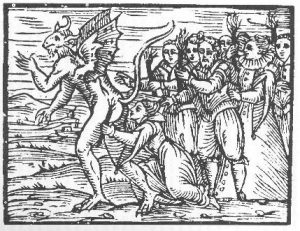
Secondly, the obvious ‘hole’ in the Satanic Panic worries is that the witches from CAOS were clearly intended to be fantastical. I mean, they’re immortal (or near enough) and you’ve got people kissing the Devil’s hairy hooves, for goodness sake!
Their magic is also massively more successful – like supernatural being successful. This and the immortality element are important markers of the fantasy elements of this show. The witches here are not *meant* to be believed in in a literal sense.
And look, don’t get me wrong, we can do a lot more with magic than we generally think. We *could* do a lot more, but most of us just aren’t there yet (you know, if we’re being real). We’ve got a lot to build and paradigms to shift before we can really get there.
But none of that is inherently a bad thing. Because the Satanic Panic concern isn’t entirely misplaced; our current social climate is absolutely ripe for a resurgence of kind of awfulness.
It won’t be CAOS that will set it off though. If anything, it’ll be all the highlypublic grandstanding curses of public figures and groups like the NRA.
To Keep Silent
It’s one thing to network among practitioners and set up working groups – that carries very little risk. As does democratizing magical efforts via anonymous fora such as 4Chan. However, it’s quite another thing to go in front of a camera crew and ramble on about how you’re going to work malefica on people in power! (People in power who, I might remind you, enjoy a good deal of support from the kind of zealous motherfuckers who would gladly burn people like you and I had they the chance)
No, if anything, what will come will be because of what people within Pagan communities themselves were putting out. CAOS isn’t the problem here.
Disbelief is Our Friend
Because as galling as it might be, one of the greatest protections we could have in times like these is disbelief. We don’t want people to believe we can do the things they associate with witchcraft. Especially not in times like these. Trust me, we probably wouldn’t like their BBQs, and it wouldn’t just be because the potato salad has raisins in it.
Yes, you, my fellow North American Heathens/Pagans/Witches. I’d like a word with you about a few things. You see, I’ve had a lot to think about of late, and I think some of you all really need to hear what I have to say.
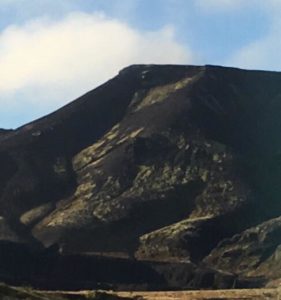
As you can see, it was a truly horrible place.
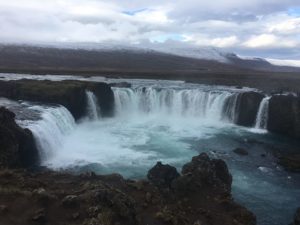
First of all, if you’re not already doing it, you need to be going on pilgrimages. Speaking as someone who’s been in Heathenry for a while (over twenty years, fml), we don’t really have a culture of pilgrimages, but we should. Now I’m admittedly biased about this shit seeing as I recently co-presented the Land, Sea, SkyHiddenfolk, Witches, and Elves tour in Iceland with the incredible Morgan Daimler, but hear me out.
Making the Case for Pilgrimages
When we think of pilgrimages, I think we tend to think of them in terms of
Here’s Johnny!
going to a place that’s considered inherently holy in a way, and trying to gain the favor of some numinous being. And don’t get me wrong, pilgrimages can be that. But I don’t think they have to be that (or at least that’s not where their greatest usefulness lies for us). Sometimes, pilgrimages can be a way to experience things related to your worldview that you wouldn’t otherwise experience in your normal environment.
You know, key things like ‘what it’s like to live in an actually inspirited landscape’.
A Tale of a Few Cultures
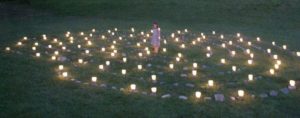
Let me tell you a quick story to sort of illustrate the point. The second time I visited the United States, I went to a large East Coast Heathen event where I facilitated the construction of a fire labyrinth. When we first went to the planned site and started to discuss the logistics of construction, we found ourselves being mobbed by mosquitoes.
A common enough occurrence, you say?
True. But none of them were actually biting, and so I took it as a sign that the local spirits of the land required some assurances and payment in order to proceed without us becoming walking clouds of mosquitoes while we worked. So I got some hard cider and addressed my words towards the woods, explaining the entire process for finding the stones we would use to mark out the labyrinth, the contained use of fire that would not burn the land, and how we would put the stones back in the forest when done. Then I poured out the offerings and the bugs left us alone.
To me, that was nothing – that small act of explanation and offering would have been a baseline response in so many other places that I’ve inhabited. However, it simply hadn’t occurred to my American counterparts to do that, or even that the wights would even be a factor to be taken into account. This led to me being introduced as someone who was especially into working with wights for the remainder of the event.
The Whole in the Hole
Now I’m not telling this story in a ‘nur nur I’m better than you stupid
It was just awful…so awful
Americans’ kind of way. (I’m an American citizen now too, so I’m also a stupid American.) I just wanted to illustrate how far they tend to be from the minds of modern American Heathens/Pagans/Witches, despite the fact that the existence of the numinious Other forms a key part of the historical worldviews of each of those groups. Even worse, where people do profess belief, it’s often not in a concrete way. Gods are easy for Americans to grok (as a culture we’ve a long history of god(s)-bothering) – ancestors too to some degree. But the Other is hard.
There are some good reasons for this, but to boil it all down to the most TL;DR explanation ever: Early colonists saw the colonization of America as a kind of religious crusade in which they had to “win” territories from the devil and “cleanse” them of the Heathen. (Don’t believe me? Check out this book, and the rantings of Cotton Mather here.) America was to be a covenant nation, given by god and kept for a long as Christianity held sway. This is the society most of you grew up in, and it is one that not only drove out the spirits in many places, but still lacks nuance when it comes to viewing those beings. If it is not dead or godly/of god, then it is demonic, and here is where we come to the crux of our problem.
There is no cultural framework within mainstream (predominantly white) American culture for interacting with the non-dead and non-godly. So is it any surprise that the Other remains and afterthought for many Heathens/Pagans/Witches here?
Restoring Pieces
Yet I believe it is the missing piece of the bigger picture, and I think many of us feel it or re-enchantment would not be a topic within our community.
We were just tortured by stunning natural beauty and elvish sex vibes.
This is where going somewhere that you know to be inspirited (by reputation) comes in. I appreciate that not everyone can afford to go to places like Iceland, but pilgrimages (or perhaps more accurately ‘retreats’) don’t have to be to places that are considered particularly connected to Pagan or Heathen traditions – they can be far closer to home. (Do we really think all those mysterious National Park disappearances are purely coincidental?) Take some like-minded friends! Take some apotropaics (bells, black salt, iron, wolf bones…you know, the usual)! Make a weekend of it!
Trust me, the rent isn’t worth it.
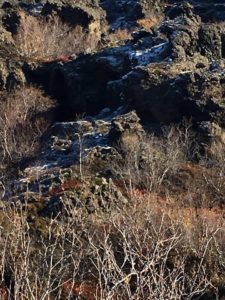
Go out there and experience the Other that peeks out of rocks, invites you into ‘move-in ready’ holes (don’t accept though), throws disembodied voices, moves your shit around, and just generally makes itself known.
Do that until you have this kind of an experience,*then* let’s continue our conversations about the ‘re-enchantment of the world’, but instead let’s call it ‘restoration’, and ‘finally getting our boots on for a spiritual war that’s worth a crap’. (Because what do you think all that Christian Spiritual Warrior crap has been doing anyway?)
Restoration > Re-Enchantment
The more I think about it, ‘re-enchantment’ as discussed in modern paganism sucks. (You can find a good example of how some modern Pagans interact with the concept here.) I mean, it’s not inherently bad but I think there are some definite issues with the current discourse:
Firstly, the world is viewed along an axis of enchanted vs disenchanted in this discussion. This suggests an endpoint at either extreme of the axis and I don’t
How the fuck did we even handle it?
believe that to be the case (for reasons I will go into).
Secondly, the predominant focus of re-enchantment is on human perceptions. There is no partnership with the Other here in this ‘re-enchantment’. It’s about humans rediscovering the enchanted nature of their local environment.
Thirdly, it’s all well and good to ‘re-enchant’ your perceptions of your local environment, but what if you work on that and there’s fuck all there? You may perceive the Other just fine when away from home, but what about when your local area is just…empty? Or how about pissed?
This is why restoration needs to be the goal as opposed to re-enchantment – that is just a step along the way.
Going Beyond Re-Enchantment
So what should restoration look like? In my opinion, it should involve inviting the Other back from the Outer yards, creating sanctuaries for them on our lands, building relationship, and giving them greater footholds among us. It should involve facing up to our collective shit as a culture and making amends for past sins.
Gryla says “Hi!”
I’m not going to lie, it’s not always going to work out. Some folks are likely to have shittier experiences than others with this. Some of you will have spirits that have absolutely zero interest in working with you, and will likely want to skullfuck you into next week. Those spirits have always existed, the same can be said about humans.
It’s time to stop freaking out when the Other makes itself more known, and it’s time to stop talking in ominous terms about the ‘Otherworld bleeding through’. Because this is, and always has been the fight in this land – the back and forth of Christians driving out the Other (both Human and non-Human) in order to maintain their damned, blood-soaked covenant. Cotton Mather knew it, as do his modern Dominionist counterparts do. We just need to finally get on board and start fighting our corner.
”Wherefore the devil is now making one attempt more upon us; an attempt more difficult, more surprising, more snarled with unintelligible circumstances than any that we have hitherto encountered; an attempt so critical, that if we get well through, we shall soon enjoy halcyon days with all the vultures of hell trodden under our feet. He has wanted his incarnate legions to persecute us, as the people of God have in the other hemisphere been persecuted: he has therefore drawn forth his more spiritual ones to make an attack upon us. We have been advised by some credible Christians yet alive, that a malefactor, accused of witchcraft as well as murder, and executed in this place more than forty years ago, did then give notice of an horrible plot against the country by witchcraft, and a foundation of witchcraft then laid, which if it were not seasonably discovered, would probably blow up, and pull down all the churches in the country. And we have now with horror seen the discovery of such a witchcraft! An army of devils is horribly broke in upon the place which is the center, and after a sort, the first-born of our English settlements: and the houses of the good people there are filled with the doleful shrieks of their children and servants, tormented by invisible hands, with tortures altogether preternatural.” Cotton Mather – The Wonders of the Invisible World
Our side in this was decided long ago.
Love and tea,
Me
P.S Check out Morgan’s open posts on the Pleiades for similar content on opening things up. Part One. Part Two.
P.P.S Morgan is fucking awesome and a pleasure to stalk all over a volcanic land.
Doorways are interesting things, and in my opinion, they’re also rather underrated and underused in modern magic. Well, at least from what I’ve seen
Please cool kids, come back! I’ll give you moar necromancies!
anyway. Which you know, considering that I’m the kind of person to either work in ridiculously niche groups or alone, that’s not saying a whole lot. I mean, for all I know, you’re all rocking the doorway-thing, and it’s way bigger among the cool kids than St Cyprian was a few years ago.
(Please tell me this is true?)
But things were quite different in Heathen period Northwestern Europe. For one thing, they didn’t have the internet to start massive “witch wars” on. Nor did they have convenient sandwich makers upon which to create endless grilled cheese sandwiches to get fat on.
Life was just different back then.
Tadaa!!!!
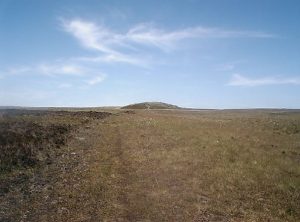
One thing they did have though, was burial mounds. Yes, wonderful, boob-shaped containers for the dead. (Or pudendas. Honestly, whichever junk-based imagery you like best is good here).
I was looking for “boat burial” and this came up. This is better. This is far better
When you factor in the amount of European death lore that describes the dead crossing over water of some kind to the afterlife, it’s not hard to see the applications for all kinds of dead-related activities here.
The point I’m making with this digression?
We often build our holy places with ritual and cosmology in mind. If you want to figure out ritual and cosmology, it’s good to look at the holy places.
YAY!!!! The Return of the Original Point!
Now, a bunch of post holes wouldn’t really be anything, and we wouldn’t necessarily guessing that they’re door posts were it not for a continuous thread of ritual doorpost usage connected with the dead.
Moving forward in time to the Viking Age (you know, that time period all the
Imagine a relative buried in your doorway. Every time you walk over it they get to see…Imma stop now.
Well, there’s nothing like keeping the family together, amirite?
As you might expect though, this backfired sometimes. Most usually when the person you unwisely decided to give visitation rights to was a raging dick in life. You see, rule number one of ‘Necromancy Club’ is that a rabid cockwomble in life is sure to be a rabid cockwomble in death. People don’t just automatically become wise and loving ancestors; there’s a process for that in most cultures that still have coherent ancestor cults. Unfortunately, most of us in modern WEIRD Pagan communities come from cultures where the death rites were taken over by some imperialist death cult that worships a dead dude on a torture/execution device. So, to say that our ideas on all of the above can be a little fucked up and unhealthy is something of an understatement.
But anyway, doorways!
They were a thing in the foul arte of necromancy back in the day. (Although to be fair, it was probably just called “going to ask Aunt Guðrún about that there thing we were talking about”.)
“Wake aunt Guðrún, wake auntie good. At the back door I call you (to ask you where our fucking sheep went)”
And she’d bitch you out, call you crazy, and then tell you want you need to know. That’s a filch of an actual invocation btw. It’s from Svipdagsmal, and yes, it mentions doors.
The Final Point!
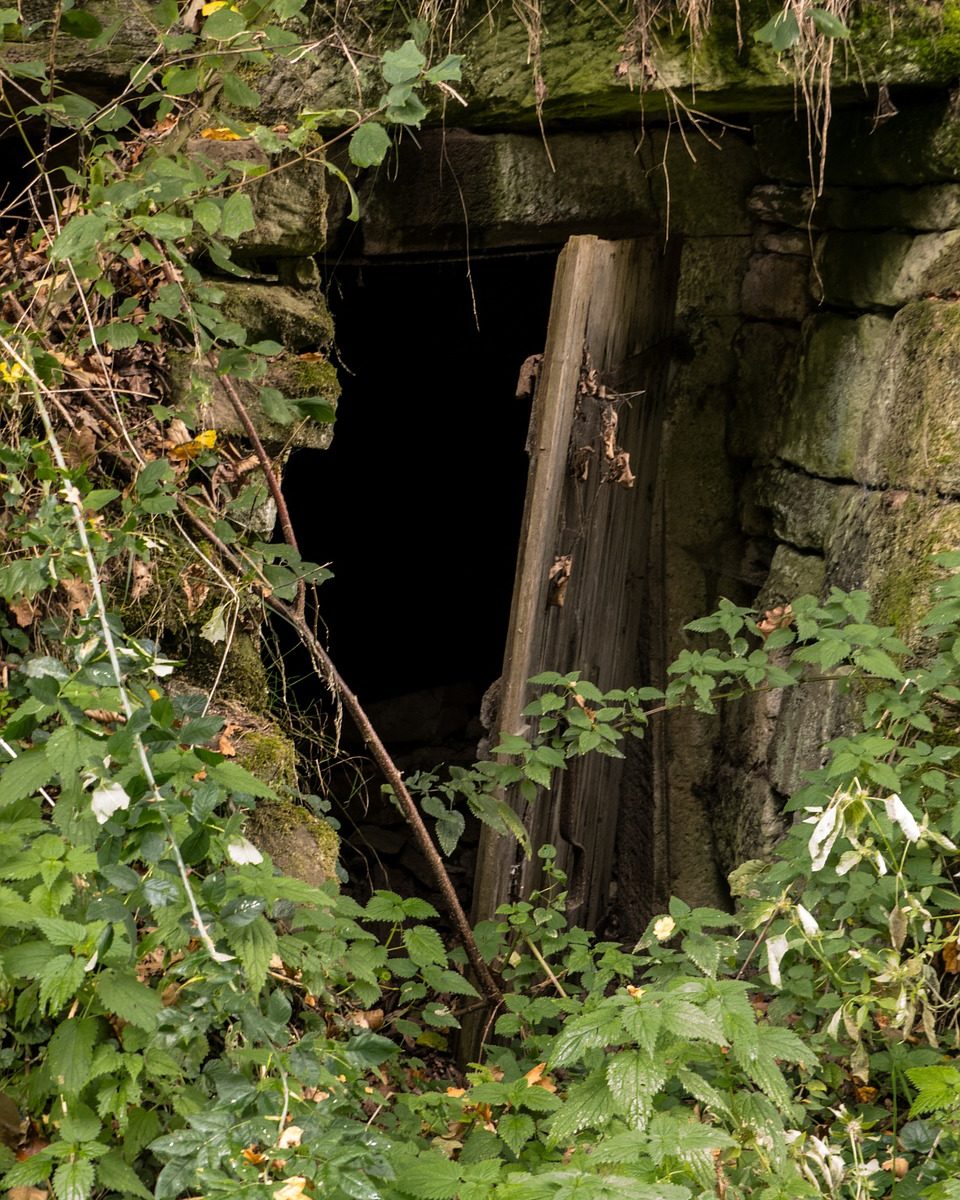
Aye, so doorways are interesting things. To stand between doorposts is to be neither in nor out, neither here nor there. It is to stand in a liminal place in which things may be seen, and through which things may pass (albeit when engineered a little bit…)
Here’s one I made earlier. Ok, so it wasn’t really me. Not this one anyway.
One of the best things about doorways too is their availability, so you don’t need to drop a load of cows or bling on obtaining fancy schmancy stuff. Because if you don’t have any kind of doorways and don’t have access to some woods where you can create arches in the trees to work in, then you’re probably a fair way up shit creek and should be working on other stuff first.
So yeah…give it a go.
The first time I tranced in a doorway, my garden filled with mist, a storm blew in, and I heard screams on the wind. I’m not claiming the storm here, but to hear the screaming on the winds of a storm that had taken lives on its way across the land before hitting my area? Would I have heard them had I not been trancing in a doorway? Who knows! But still. Doorways are useful things in magic, and they have the benefit of being easy to get out of if things become a bit much.
Don’t like seeing what you’re seeing? Go in and close the door. Make sure your wards are awesome. Good times!
Well, that’s it for me today. I’m currently in the middle of packing for going to Iceland where I’ll be co-hosting this trip with Morgan Daimler!
When I first saw the whole Sephora “witch kit” thing on social media, I had roughly three thoughts:
“Huh, that’s not a bad price! Wonder what those perfumes smell like.” “Ugh, white sage…” “I bet this is going to piss some people off.”
Now 2018 might be an utter shitshow in that “Hold my beer, 2016!” kinda way, but it’s sort of nice to know we still have some constants, you know? And a tacky ‘witch kit’ created by Pinrose and being flogged by Sephora enraging a whole bunch of people for largely nebulous reasons has been that constant in this case.
(Thank you, Internet. I love you too.)
But that’s not to say that there aren’t real reasons to give a shit about this Pinrose/Sephora foray into (Basic?) Witchcraft. For starters, there are valid criticisms surrounding the inclusion of white sage in these kits from both appropriation and sustainability standpoints. Then there was the booklet (which I haven’t seen), apparently it also contains appropriative bullshit (because I guess they were going for a theme here?).
So you know, real reasons.
But also a lot of nebulous feelings based in “exploitation” and even “appropriation” (which is a little rich considering how much white Pagans take from marginalized peoples and you know…appropriate the shit out of it).
Some of it, undoubtedly, also comes down to gatekeeping, which is handy, because that’s exactly what I want to talk about today!
Gatekeepers and Gatekeeping
So romantic!
Louis: I am The Keymaster!
Dana Barrett: I am The Gatekeeper! Ghostbusters 1984
It’s a dumb thing, but it’s still a thing for them. Those are the gatekeepers we’re downright infamous for, but they’re far from the only kind.
Recently, The Wild Hunt covered (badly, like really badly), the story of the “Pussy Church of TERFy doom” (or whatever the fuck those lot are called). This again, is another form of gatekeeping. genital gatekeeping. With doxxing, and what looks like a nascent tithing system.
But gatekeeping isn’t just the domain of fuckernutters who essentially just want to discriminate under some pseudo-spiritual guise. There are other, more well-intentioned forms of gatekeeping too. You know the kind of thing – the preventing or discouraging of people from trying forms of magic that are considered (either rightly or wrongly) to be dangerous.
Will the Real Gatekeepers Please Stand Up?
Now, my views on danger in the Craft are probably well known by now. This shit isn’t safe. I would even go as far as to say that if you’re doing something real then this is all managed risk anyway. Forget “safe”. When you’re dealing with numinous beings with agency that are actually *real* (as opposed to being some feel good imaginary friends), “safe” isn’t really a guarantee.
Which brings me to who I consider the real gatekeepers to be.
When we think of a tradition or practice, we often only think of it in terms of the human side of things, and forget that there is also the numinous side of the equation to take into account. But what is any tradition or magical practice without its numinous powers?
Those of you who’ve tried scrying both with and without summoning the spirits into the water will know the answer to this one.
The answer is “lacking”.
The Other (regardless of what form it takes) is integral to the practice of witchcraft. And for as much personal power and raw talent as we can bring to the game, it’s nothing compared to what they can gift us.
Here is where we come to the crux of the matter.
Because ultimately, it’s the numinous beings who matter, these are the real gatekeepers here, and ideally, we humans work in concert with them. It’s not for us to do the accepting based on whether or not someone has the right training or got their start via some tacky ‘witch kit’. (Or from watching The Craft! What up, 90s witches! I see you!) The real test is when we bring them, or they themselves stand before the powers with whom we work.
Burned Fingers and Adult Pants
For some people though, the gatekeeping they practice is a matter of responsibility to the wider community. They believe in restricting information to certain practices in order to keep people safe. However, this tends to have the unfortunate side effect of stifling growth and keeping people in the shallow end of the pool.
Let me explain a little.
The vast majority of us come from broken or simply newly created traditions. Now let’s be honest here, our magical technologies need an assload of work, and the bar for what we believe magic can do needs raising. Don’t see what I’m saying here? Check out the kind of operations contained in the Greek Magical Papyri and grimoires! Check out reports from cultures from outside our WEIRD society! Are we anywhere near that level?
I don’t think so. Again, I can’t help but think of what I’ve seen from “Core Shamans” here in the States versus what I’ve experienced at Mudang shrines in Korea. And if you’ve ever gotten off a mountain path to allow a God-as-solid-block-of-wind to pass on his way to a shrine to possess a Mudang, then you’ll understand what I’m saying here.
But you see, we’re not going to get there if we’re hiding people’s adult pants and dousing them with water so they can’t get their fingers burned. At some
Actually, this is pants optional.
point, once the caveats have been given and understood, you just have to get out of the way and let the chips fall where they may.
That’s not to say you can’t take out forms of ‘insurance’ though. Think the person you just taught that curse to might use it irresponsibly? Why not take some of their hair in exchange for the knowledge and let them know just what you’ll do if you ever hear of them flinging it round like cum in a bukkake session? Got a tradition you want to protect? Why not enlist some spirit protectors? See what I’m saying? There are things that can be done that don’t douse or steal pants, and I think they’re worth doing.
Because we live in interesting times now. Okay, so it may often feel like we’re dancing upon the edge of a great precipice, but we shouldn’t forget that these are also times of great potential and growth. How many of us are having more common and intense experiences with the Other now? How many folks have you come across that don’t normally encounter anything but are telling wide-eyed stories of things that “couldn’t possibly happen”?
I would suggest that perhaps we are living in a time when things are becoming steadily re-enchanted (and how many of us have been wanting that to happen?). And if that is the case, then surely that re-enchantment would bring with it the potential for greater magic? We just need to remember what it is ‘to dare’ first.
For the ancient Greeks and Romans, the onion was considered a vegetable of the dead. Perhaps it’s because it grew in the ground as the deceased are planted? Or perhaps the reasoning was something else. Either way, along with parsley and celery, the onion commonly graced the tables of funeral feasts
Again and again, fertility (or even straight up eroticism) and death walk hand in hand. Life is spun and then unspun in a cycle of generation and dissolution, the fibers falling away only to be respun again. These are in truth, two sides of the same cycle, and without the one there cannot be the other.
Man Imitates Gods (or Elves)
This also seems to be the case for many humans who work with the dead too, and the grave may be just as inseparable from sex and generation within some human practitioners, as it is with the aforementioned gods.
“Thus the Gods did, thus men do”
Taittirīya Brāhmana (Eliade 98)
Those witches will get with any old unclean spirit!
There also seems to be something in the “wiring” here too. For anyone who has studied historical witchcraft accounts, accusations of “sexual deviancy” go hand in hand with accusations of trucking (sexually or magically) with demons or elves. Again and again we see this pattern of chthonic beings with fertility aspects and their human partners engaged in both necromancy and apparent sexual deviancy. (See Lee Morgan’s ‘A Deed without a Name’ for further discussion on these relationships both among historical and modern practitioners)
It would seem that one cannot separate the sex/eroticism from the chthonic, and by extension, death itself. And this can be unsettling to our modern WEIRD minds. (I note here that apparently Papa Ghédé enjoys fucking with white people because of exactly this kind of hang up. Go Papa Ghédé!)
But patterns rarely emerge without reason, and this one is no exception.
A Matter of “Wiring”?
First though, I’d like to talk about the matter of the “wiring” of human practitioners for a moment. Because here too are patterns to be observed. Why is it that the witch was so associated with sexual deviancy in historical accounts? Why did Jordanes write of the Halirunnae (Gothic for Helrune), if you’re interested) going out and having issue with “unclean spirits”? Why was that so believable to him that people associated with Hel practices would be all about fucking the “unclean spirits”? (Getica XXIV, 121-123)
This matter of “wiring” is something that Martin Coleman (aka Draja Mickaharic) comments on in Communing with the Spirits: The Magical Practice of Necromancy. To quote him regarding women with the propensity for necromancy:
“If you are a woman you may have had occasional vivid dreams of a sexual nature which you remember upon awakening. In some cases, the dream may
According to Pixabay, this is what necromancy looks like
have been so vivid that you awakened as a result of the orgasm that the dream produced. This is not an uncommon phenomena found in those women who are able to work with the spirits of the dead. Women who are able to work well with the spirits of the dead often have very little sense of physical modesty. In a few cases they are excessively modest. Often women who can work with spirits of the dead are quite uninhibited in comparison with most of the women of their generation. Occasionally they are asexual, but these women are usually found at the extreme ranges of dress and sexual behavior.”
So what is going on here? Why can working with the dead turn into such fuckery? (Ha, see what I did there?) Why does this collocation exist?
Sex as a Safety Mechanism
One thing you quickly learn when interacting with the dead is that to interact with the dead is to interact with death, and pull away from life. But to engage in the primal act of intercourse is to pull away from death and to reassert one’s place within the living world. It is to leave the world of shadows and rejoin the world of the heart pounding, heavy breathing, and corporeality of skin and bodily fluids. To fall once more under the spell of the sensual and reconnect with one of the joys of this world. It is in this sense, a way of exorcising the touch of death from yourself in the same way that you may take salt or wash your feet, or whatever else you do to purify when leaving the places of the dead.
This is not some sick and perverted thing as some might think. There is no sexual attraction to the dead present (and I actually hate that I feel like I have to say that). Instead, I find it to be more like the triggering a safety mechanism that occurs in response to a certain degree of proximity to death. It’s a form of medicine. When you think about it, this is really no different from people fucking at or after funerals. It is, I believe, the same underlying mechanism at work.
In short, this is a piece of protective wiring for those of us who experience it, and deities like Papa Ghédé rightfully mock us when repression keeps us from this act of self-healing.
(Ace folx, I’d be curious to hear what you experience post-interacting-with-the-dead!)
Bibliography
Eating With the Dead: Funeral Meal Practices, by Tylluan Perry in MEMENTO MORI A Collection of Magickal and Mythological Perspectives On Death, Dying, Mortality and Beyond
The Sacred and the Profane: The Nature of Religion, by Mircea Eliade
Communing with the Spirits: The Magical Practice of Necromancy, by Martin Coleman
I’ve sat on this post for a long time. It’s a post that started with a dream that became a maelstrom of thoughts. And since the morning of the 27th of October (which was when I entered the dream into my journal), I’ve been turning it over in my head. You see, I want to be clear about this, because this topic is important.
But it may also be difficult for those of you who share my melanin-deficiency. I do however, ask you to set aside your initial feelings, read with an open heart, and then turn this topic over in your own mind some before reacting.
Because it is not white skin that is under attack here. I do not deny the realities of white privilege or the different lived experiences of oppressed peoples – those things are as plain to me as the nose on my face. But this is about whiteness, why we must not buy into it, and why we must work to free ourselves of it.
Before continuing though, I should probably define what I mean by “whiteness” in this post. When I speak of “whiteness”, I speak of a construct that sits in our society like a gated community that limits its entry to those who fit certain criteria. To reiterate, this is not a post about the the intrinsic and innate, of melanin and ancestry. It is a post about a social construct which actively excludes, harms, and which I believe to be completely incompatible with Witchcraft.
A Brief History of the Concept of Whiteness
Before the 17th century, “whiteness” as a concept or racial category didn’t exist. Laws both in the early colonies and Barbados instead focused on religion, setting aside freedoms for Christians and relegating non-Christians to servitude and slavery. However, as times changed and more people of color (both free and enslaved) became Christians, that legal language was changed. The goalposts were moved in order to retain power among the white landowning elite. 1697 saw the passage of the first law that restricted voting rights to only the white [Source].
But whiteness then was not the whiteness we know now; the membership requirements for that gated community have changed again and again, and ethnic groups that are now automatically considered white often found themselves on the outside. They were, according to the thinking of the day, varieties of “lesser” white [Source].
The construct of whiteness as it exists today is inherently a modified version of WASPishness.
You must have the right skin. You must have the right tongue. You must have the right faith. You must have the right worldview.
And should you catch a glimpse of another worldview, you must not rock the boat.
In short, it should be considered the very anathema of witchcraft. The gated community of whiteness is not a space in which Witchcraft can truly exist, and any attempt to root it within those manicured lawns is not without its betrayals.
People of color are well acquainted with this tactic. It has, after all, been a matter of survival for them. The more a person of color endeavors to make themselves more “respectable” from the perspective of the whiteness construct, the more “acceptable” he or she is considered to be. POCs routinely report code-switching around white coworkers and friends, dressing more ‘white’, emulating white seeming hairstyles, and a whole host of other behaviors that are ultimately designed to coddle white feelings in the hopes of getting thrown a bone.
“See how harmless I am as I wander whimsically through this field with (probably) tick-laden flowers on my head!”
This is essentially what we Pagans and Witches also do when we reassure the Christians in our lives just how “normal” and “harmless” we are; when we hold up the threefold law as a kind of “See! We’re not really dangerous!”; and when we get into that mindset of seeing it as some kind of “win” to be deemed acceptable enough to be invited to Interfaith meetings.
But what is lost when we do this? What is traded away for the scraps we’re thrown? And what of the value of these scraps? Do we truly believe that these would protect us should the law change tomorrow and allow our active persecution? Gentle people, this is what is known as a “forlorn hope”.
Witches and the Other
It is here though that we come to the real crux of this matter: Witches belong far more to the Other than to any inner, and not only do we belong to it, but we are also driven to interact with it.
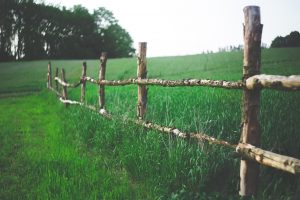
Hedge…fence…whatever.
The image of the hedge rider is a powerful one here. We do not belong fully to any one world, instead going between and negotiating many, and we’ll always have far more in common with those without than those within. As my friend Morgan says, “the Other is the soul of witchcraft”. They are absolutely correct in this, and for more than one reason.
We’ve always seated our cults and practices in both the between places, and among those who society fails or allows to fall through the cracks. The ancient groves of Diana with their diverse adherents comprised of those who would traditionally be excluded are an old world example of this (Green 53-54), but as Peter Grey demonstrates in Apocalyptic Witchcraft, witchcraft has ever been the tool of the oppressed. To then exclude others in our modern cults because of sexuality/gender/social status/ethnicity – the values of the gated community of whiteness – rather than what they have shown through their actions, is to betray that heritage.
Moreover, when we subscribe to whiteness, we hinder our own interactions with the Other. When you exist within a paradigm within which other humans are not fully human depending on arbitrary and innate qualities, then you have little chance of forming the kind of relationships with non-human persons that are the fuel and soul of Witchcraft. I have already written a little about how our attitudes towards other humans affect how we interact with the Other, and some of the common assumptions that that has led to. You can read about that here, but hopefully my point is made.
There is no Witchcraft without the Other, because no matter how much Witchcraft is made increasingly safe and removed from its beating core of inspirited dark nights and heart-pounding experiences, that is what Witchcraft has always been and always will be. It will always be about partnerships with the Other, be that Other the elves spoken of Isobel Gowdie, and referred to as far back as the Old English magico-medical manuals, or the Ov of the Witch of Endor. You cannot replace that with whitewashed bullshit that exists to make the practitioner feel good as a form of edgy self-help.
Witchcraft is service. It’s not safe. It’s hard. It takes work. And it sure as shit isn’t compatible with whiteness.
If anything, whiteness and the respectability politics it demands for bare scraps of “acceptance” is a Witchcraft-killer, and that is by design rather than accident.
So please, dear people, think about where you stand and what you espouse. Think about the voices you listen to and the voices you give space to and elevate (here’s a good video by the amazing Benebell Wen about that very thing). Rock that damn boat, use your voice to argue for destroying those gates, make an effort to learn about how things are outside those gates, and make damn sure you don’t erect the same gates in your Pagan and Witch communities. In other words, return to the groves, the Other, and your human siblings.
Bibliography
1. Green, C.M.C Roman Religion and the Cult of Diana at Aricia 2. Grey, Peter Apocalyptic Witchcraft
Earlier today, famous Fairy-firkler Morgan Daimler, posted their blog confessing the ways in which she’s apparently a ‘Bad Witch’. Just to be clear, they’re not talking about ‘good’ or ‘bad’ in the sense of ethics here. But rather the ways in which they suck at some of the things usually expected of a witch.
In all honesty, I quite like this conversation. As a group we have this ridiculous tendency to act like we know more than we do, or don’t fuck up as often as we do. A good chunk of us could also do with laughing at ourselves more (but that’s another conversation and another rant).
So in the interests of adding to this conversation, here are the witch things I’m utterly shit at.
Bad Witch Fail #1: Remembering What to Say
This is my biggest issue right here. I can craft some really beautiful ritual but
This is in fact me. (No, no it’s not)
can I remember it? No I really fucking can’t – and that blows. I’m that person in ritual who has to read from the book/paper because she can’t remember what the hell she’s supposed to say. In my defense though, I have memory issues. My thyroid shat the bed a few years ago and now I have a real hard time remembering things like I used to.
And yes, I know there are some of you out there saying “Pshaw amateur! I just make it up as I go along!” Well bully for you, Keith! I don’t, and that’s largely down to knowing the fuckery of my own brain.
You see, I believe that when I’m in ritual I’m interacting with numinous powers. That may seem like a no-brainer, but again (for the kids at the back), these are beings with agency. Which means they generally have their own plans and they aren’t necessarily plans we’d particularly like.
If there’s anything I’ve learned over the years (and especially since my memory became less useful), it’s that you can cut some really shit deals if you don’t go in there with a plan. Writing it all down before stepping into a circle is kind of like going to the store with a shopping list: it helps to keep you on track. It helps to keep you out of trouble, and even better, you don’t have to rely on your post-ritual memory to have a record of just what went down – it’s already there!
Which is adaptive and logical. But some folks can still get pretty dogmatic about it all.
Bad Witch Fail #2: I Suck at Growing Useful Gardens
I lose both Heathen and Witch points on this one, but for the past two years I’ve had shit gardens. I think I must have had a lucky year the first year I moved
My dreams, literally every spring.
here. We had lettuce for pretty much the whole summer, tomatoes that wouldn’t stop coming, zucchini, summer squash, okra, jalapenos, and green peppers. It. Was. Wonderful.
But last year we only got two loads of tomatoes and some lettuce (largely because a groundhog ate everything), and this year…
Yeah. I fail at this.
Ok, so my gardening isn’t a total loss. I’ve somehow kept an elder bush alive for a few years now (and it’s *huge*), a pile of wormwood is taking over the lower end of my garden, and my henbane seems to be happy. I just wish I could get fresh edible foods!
I know people who seem to just leave a trail of plants in their wake – almost as though they’re pooping them out or something. And it seems like almost everyone in my kindred has amazing gardens that they feed their families with. Except me.
But I’m not giving up! In fact, I’m going to go for a fall crop next. Because you know, why limit your failure to summer?!
Bad Witch Fail #3:Forgetting Tools/Offerings
Have you ever had that thing happen where you think you’ve got everything you need and you start the rite only to realize once you’re halfway through
Fat. Chance. Dumbo!
whatever you’re doing that you’ve forgotten something and it’s actually pretty key?
Because that’s me. No joke, but I’ve actually had spirits do something to stop the right and then tell me to do it again and do it properly.
This is why you will see a ‘You Will Need’ section at the beginning of any rituals I create – because I literally make that list for myself to try and mitigate that whole thing.
Bad Witch Fail #4: I Often Miss Moon Observances
Fucking space egg. You are NOT the boss of me! That’s my 4 year old.
I know a lot of (if not most) witches observe the full moon, but it’s hit or miss for me. It largely depends on factors like how tired I am, when I have to get up the following day, and if I’ve lost track of the month or not.
I know, those are all really lame reasons. About the only thing I can say in my defense is that I deal with some pretty chronic exhaustion between my thyroid issues and a kid that hates sleep.
Bad Witch Fail #5: I Can’t Read Theban
I should probably qualify that: I can’t read Theban anymore. Because if my old journals are anything to go by, I could back then. But now? Nope! It’s the so-called ‘Witches’ Alphabet’ (taken from Trithemius who apparently got it from a possibly mythical character), and I can’t read it.
That’s me, witchy as fuck.
Anyway, those are my confessions. The confessional is open if anyone else would like to have a try!

 When you have a specific working in mind, take the time to research the cost of supplies. Shop around, fill shopping baskets on random sites and see what totals you get. Sometimes things will work out much cheaper than you initially expected and are actually affordable with a bit of budgeting work. Conversely, things may turn out to be a whole lot more expensive than you thought, so it’s good to cost things out to avoid any nasty surprises.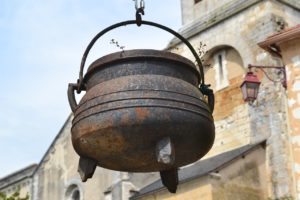
 rundown of what meditation actually is.
 unseen interacting with you in some of these places, and that’s fantastic. That’s what you want as a witch! Relationships with the Unseen have always been part and parcel of witchery. Just remember to be polite and to never offer anything of yourself or that you are not prepared to truly give.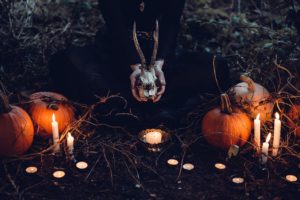
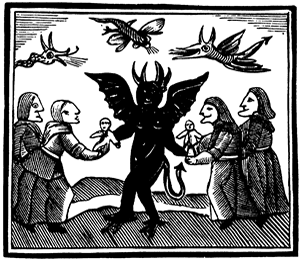
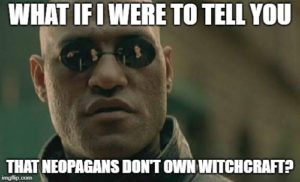 like I have to say this, but witchcraft isn’t just the domain of (predominantly) white neo-Pagans – there are forms of witchcraft all over the globe, existing in multiple worldviews. Just because you’ve created modern forms of religious witchcraft, it doesn’t mean that you somehow have a claim on it all, or that it bears any resemblance to (any) historical witchcraft. In other words, none of us get to be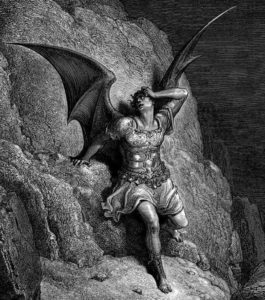
 generally think. We *could* do a lot more, but most of us just aren’t there yet (you know, if we’re being real). We’ve got a lot to build and paradigms to shift before we can really get there.
 have in times like these is disbelief. We don’t want people to believe we can do the things they associate with witchcraft. Especially not in times like these. Trust me, we probably wouldn’t like their BBQs, and it wouldn’t just be because the potato salad has raisins in it.

 ourselves being mobbed by mosquitoes.




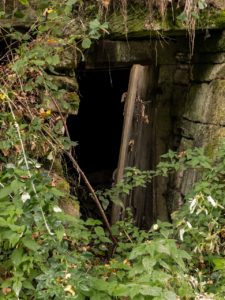

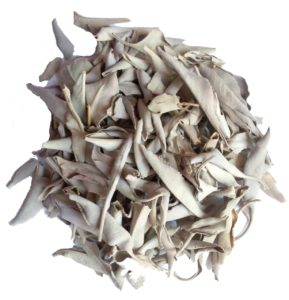





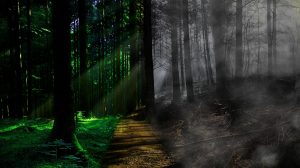 dead.
dead. “whiteness” in this post. When I speak of “whiteness”, I speak of a construct that sits in our society like a gated community that limits its entry to those who fit certain criteria. To reiterate, this is not a post about the the intrinsic and innate, of melanin and ancestry. It is a post about a social construct which actively excludes, harms, and which I believe to be completely incompatible with Witchcraft.
 exist. Laws both in the early colonies and Barbados instead focused on religion, setting aside freedoms for Christians and relegating non-Christians to servitude and slavery. However, as times changed and more people of color (both free and enslaved) became Christians, that legal language was changed. The goalposts were moved in order to retain power among the white landowning elite. 1697 saw the passage of the first law that restricted voting rights to only the white
 Think about the voices you listen to and the voices you give space to and elevate (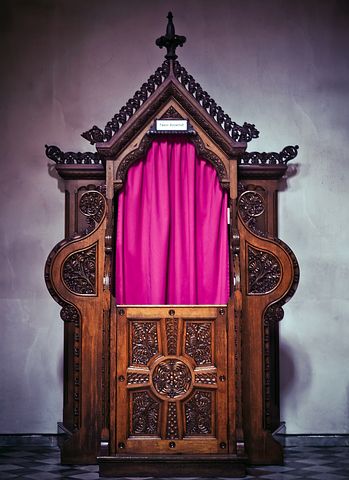




 journals are anything to go by, I could back then. But now? Nope! It’s the so-called ‘Witches’ Alphabet’ (taken from Trithemius who apparently got it from a possibly mythical character), and I can’t read it.